Why is my furnace igniter not working
A dead igniter is the most common reason a Topeka furnace clicks but never lights. Here are the real causes, test steps, and 2026 replacement costs.
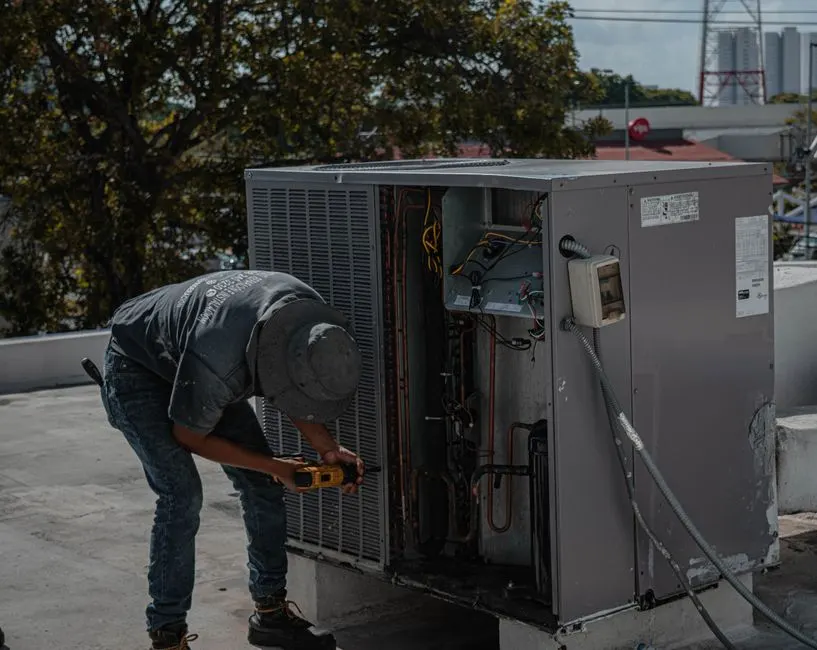
Your furnace igniter is not working because it has either failed electrically, been coated in carbon, lost its signal from the control board, or never received the call for heat in the first place. In Topeka, the most common single cause we find on a no-heat call is a cracked or burnt-out hot surface igniter - a $30 to $60 part that stops the entire furnace from lighting. The rest of this post walks through the seven real causes, how to test the igniter safely, what replacement costs in 2026, and the mistakes that turn a $250 repair into a $900 one.
What a furnace igniter actually does
A furnace igniter is the component that lights the gas inside your burner assembly so the furnace can produce heat. On modern furnaces built after roughly 1990, that job belongs to a hot surface igniter - a thin silicon nitride or silicon carbide element that glows orange at 1,800°F to 2,500°F within 15 to 45 seconds of a call for heat. Older standing-pilot furnaces use a pilot light instead, and a few high-efficiency models use spark ignition.
Here is the sequence your furnace runs every time the thermostat asks for heat: the inducer motor spins up, the pressure switch closes, the control board sends 120 volts to the igniter, the igniter glows, the gas valve opens, the flame sensor confirms flame, and the blower pushes air through the house. If the igniter never glows, everything downstream stops. That is why a $40 part can shut down a $4,000 system.
If you are not sure which type of ignition system you have, our team handles every configuration - from 1980s standing-pilot units in older homes to current modulating furnaces - through our Furnace Ignition Repair Topeka KS service.
Why is my furnace igniter not working in Topeka KS?
Furnace igniters fail in Topeka for seven reasons, and the fix is different for each one. Diagnosing the wrong cause is how homeowners end up replacing a good igniter twice.
- Age and thermal fatigue. A hot surface igniter cycles thousands of times. Most last 4 to 7 years. When they fail, they usually crack - sometimes visibly, sometimes only under a magnifier.
- Carbon and dust coating. A thin layer of carbon blocks the glow. This is common in Topeka homes near I-70 and US-70 where road dust and winter grit get pulled into the burners.
- Physical damage during service. Silicon nitride igniters are brittle. A bumped burner cover or a careless filter change can crack one.
- No voltage from the control board. If the board never sends 120 volts, the igniter is fine and the board is the problem.
- Failed pressure switch or blocked flue. The board will not fire the igniter until the pressure switch proves draft. A spider web or a bird nest in the intake can stop the sequence cold.
- Bad flame sensor. The igniter lights the gas, but the flame sensor does not confirm it, so the furnace shuts off after 3 to 7 seconds. Homeowners often misread this as an igniter failure.
- Gas supply issues. A closed valve, a locked gas meter, or a utility interruption means the igniter glows but nothing lights.
One local pattern worth knowing: in the older housing stock around Furnace Repair in Potwin Place, we regularly find original 1990s igniters that have never been replaced, paired with burners that have not been cleaned in a decade. Those two problems together account for a large share of our no-heat calls between November and February.
How do I test my furnace igniter in Topeka?
You can test a furnace igniter in Topeka with a multimeter set to ohms, but only after killing power at the furnace switch and the breaker. The test itself takes about 10 minutes.
Step-by-step igniter test
- Turn the thermostat to OFF and shut off the furnace at the light switch on or near the unit.
- Kill the breaker feeding the furnace. Confirm with a non-contact voltage tester.
- Remove the burner access panel. On most furnaces this is 4 to 6 screws.
- Locate the igniter - a pencil-shaped element near the burners, usually held by 2 screws and a ceramic block.
- Disconnect the wire harness. Set your meter to the lowest ohm range.
- Measure across the igniter terminals. A healthy silicon nitride igniter reads 40 to 90 ohms at room temperature. Silicon carbide reads 50 to 500 ohms. An open reading (OL) means it is dead.
- Inspect the element under bright light for hairline cracks or white powder. Either means replace it.
If the igniter ohms out fine but never glows, the problem is upstream - the control board, the pressure switch, or the inducer. That is a different repair, and our Furnace Control Board Repair Topeka KS team handles those diagnostics daily.
Do not touch the igniter element with bare fingers. Skin oils create hot spots that crack the element within weeks. Handle it by the ceramic base only, or wear clean nitrile gloves.
Furnace igniter replacement cost in Topeka Kansas
Furnace igniter replacement in Topeka Kansas runs $180 to $420 in 2026 for a standard hot surface igniter, parts and labor included. The part itself is $25 to $80 depending on brand - Carrier, Trane, Lennox, and Goodman all use different igniters that are not interchangeable. Diagnostic fee, if the visit starts as a no-heat call, is typically $79 to $129 and is often credited toward the repair.
What moves the price:
- Furnace location. A unit in a finished basement or a tight attic closet adds 30 to 60 minutes of labor.
- Igniter type. Silicon nitride costs more than silicon carbide but lasts roughly twice as long.
- Bundled work. If we are already cleaning the burners or replacing a flame sensor, adding the igniter is a small incremental cost.
- After-hours calls. Evening and weekend visits carry a higher rate.
If your furnace is 15 years or older and this is the second or third igniter in five years, replacement math starts to favor a new unit. Our Furnace Installation Topeka KS page covers what a full swap looks like and how to tell when repair stops making sense.
Common mistakes homeowners make
The most expensive mistake is replacing the igniter without confirming it is actually the failed part. We see this constantly - a homeowner buys a $45 igniter online, installs it, and the furnace still will not light because the real problem was a $12 flame sensor or a blocked intake.
Other mistakes we run into across Topeka:
- Touching the element with bare hands. The oils cause a hot spot and a crack within a few weeks.
- Buying a universal igniter. Universal kits exist, but the mounting bracket and ohm range have to match your board. Wrong spec equals repeat failure.
- Skipping the pressure switch check. If the inducer is not proving draft, a new igniter will never glow.
- Ignoring the flame sensor. A dirty flame sensor causes short cycling that looks exactly like igniter failure.
- Resetting the breaker repeatedly. If the furnace locks out three times, stop. Repeated lockouts can stress the control board.
One more: do not run the furnace with the burner door off to "see if it lights." That defeats the safety switch and can pull carbon monoxide into the room.
When to call a professional
Call a professional the moment you smell gas, see soot around the burners, or hear the furnace click three times and lock out. Those are not igniter-swap situations - they are diagnostic calls.
You should also call us if the igniter ohms out fine but the furnace still will not light, if the igniter glows and the gas lights but the flame dies within 10 seconds, or if you have replaced an igniter once already this season and it failed again. Repeat igniter failure almost always points to a voltage problem at the board or a cracked heat exchanger, and both need a trained eye.
We handle igniter diagnostics and replacement across the metro, including Furnace Repair in Downtown Topeka where older commercial buildings and converted lofts often have furnaces tucked into spaces that were never designed for service access. If you want to know what a full-system check looks like before winter, our Furnace Tune-Up Topeka KS visit covers igniter inspection, burner cleaning, and flame sensor testing in one trip.
Frequently Asked Questions
Why is my furnace igniter not working in Topeka KS?
The three most common causes in Topeka are a cracked hot surface igniter (4 to 7 year lifespan), a carbon-coated element that cannot glow hot enough, or a control board that never sends 120 volts to the igniter. Less often, a failed pressure switch or blocked flue stops the ignition sequence before the igniter is even called.
How do I test my furnace igniter in Topeka?
Kill power at the breaker, remove the burner panel, disconnect the igniter harness, and measure resistance across the terminals with a multimeter. A healthy silicon nitride igniter reads 40 to 90 ohms. An open reading or a visible crack means replacement. The whole test takes about 10 minutes.
Can I replace my furnace igniter myself in Topeka Kansas?
You can, if you are comfortable working around 120-volt wiring and gas appliances. The part costs $25 to $80 and the swap is 20 to 30 minutes. That said, misdiagnosis is common - roughly half the DIY igniter replacements we see were not the actual failed part, which is why the furnace still would not light afterward.
Who repairs furnace igniters in Topeka?
Topeka Furnace Repair handles igniter diagnostics, replacement, and the upstream causes - control boards, pressure switches, flame sensors, and gas valves. We stock common igniters on our trucks so most no-heat calls are fixed in a single visit, usually within 60 to 90 minutes of arrival.
How long does a furnace igniter last?
A hot surface igniter lasts 4 to 7 years on average, or roughly 5,000 to 10,000 heat cycles. Silicon nitride igniters outlast silicon carbide by about two years. If yours has failed twice in five years, ask us to check board voltage - repeat failures usually mean the igniter is being overdriven.
Get help with Furnace Repair in Topeka
If your furnace is clicking, glowing, or sitting dead on the coldest week of the year, we can diagnose the igniter and the whole ignition sequence in one visit. Call Topeka Furnace Repair at (785) 2198246 and we will get your heat back on.